How Much Does It Cost to Measure Body Fat?

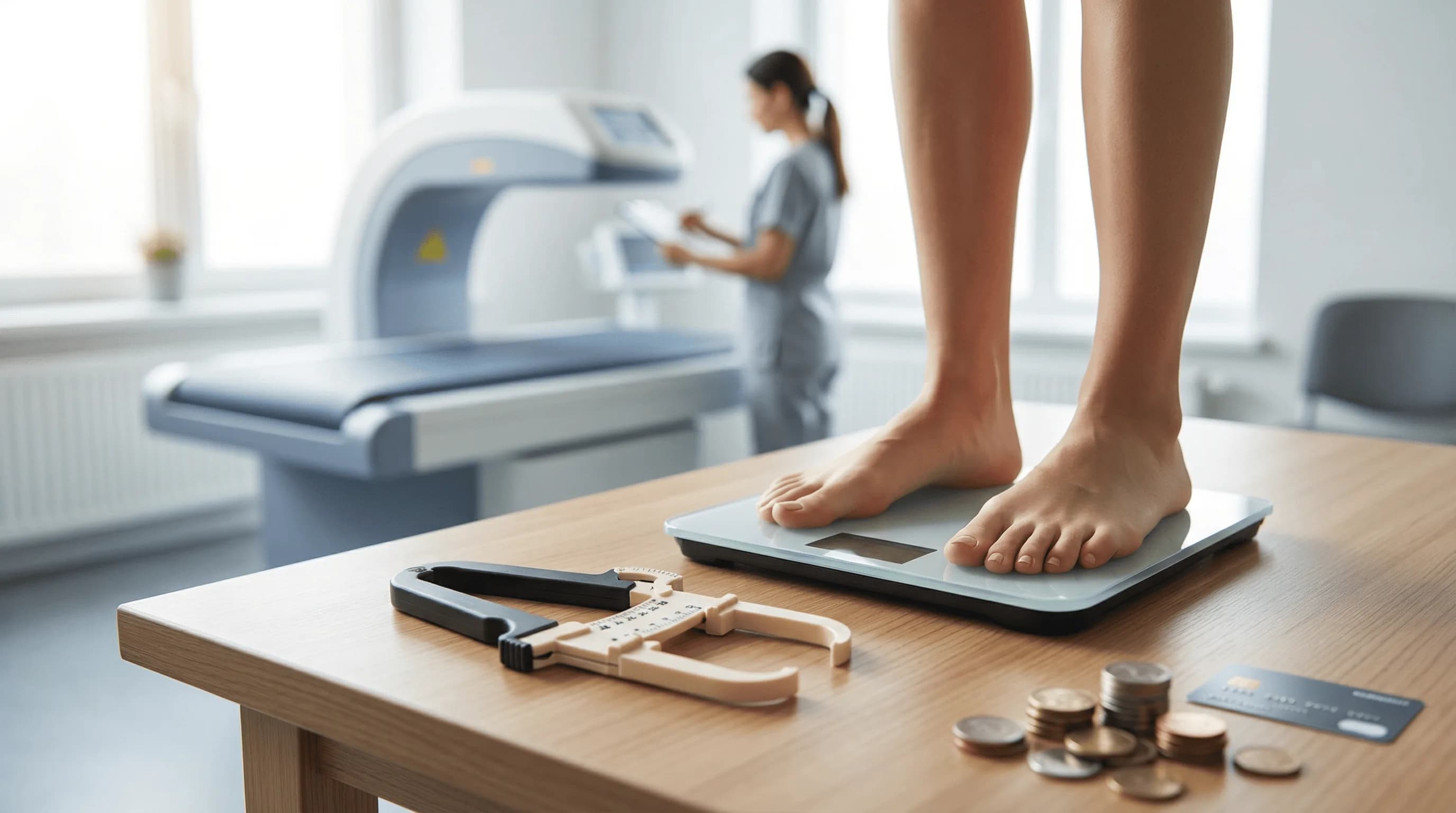
Measuring body fat can range from completely free to surprisingly expensive. The method you choose affects not only cost, but also how often you can measure — and how useful the data actually is.
This guide breaks down the real costs of body fat measurement at home and in labs, explains what you’re paying for, and helps you decide which option makes sense for your goals.
Why cost matters more than people think
Body fat measurement is most useful when it’s repeatable. A method that’s accurate but expensive often gets used once — and then ignored.
That’s why cost isn’t just about money. It determines how often you measure, how much data you collect, and whether you can track trends over time.
Cost of measuring body fat at home
At-home methods are popular because they’re accessible and inexpensive. The tradeoff is precision — but for many people, that’s acceptable.
- Body fat calculators (Navy, BMI-based): Free (try the Body Fat Calculator)
- Smart scales (BIA): $20–$150 one-time
- Skinfold calipers: $5–$25
- Photo-based estimation tools: Free to ~$10 per estimate (see Body Fat Estimator)
These methods estimate body fat indirectly using formulas, electrical impedance, or visual cues. None of them measure fat tissue directly.
Cost of lab-based body fat measurement
Lab methods are considered more accurate, but they come with higher costs and practical limitations.
- DEXA scan: $75–$200 per scan
- Bod Pod: $40–$100 per session
- Hydrostatic weighing: $50–$150 per test
These methods are more controlled, but they’re impractical for frequent tracking due to cost, availability, and scheduling.
Cost vs usefulness: the real tradeoff
Paying more doesn’t automatically mean better outcomes. A single high-precision scan tells you very little about progress.
For most people, the most useful method is the one they can repeat consistently — even if each individual measurement is imperfect.
This is why many people combine occasional lab scans with regular at-home tracking.
Which body fat measurement method should you choose?
The right choice depends on your goal:
- Curiosity or baseline check: calculators or visual tools
- Progress tracking: photos, smart scales, or estimators
- Clinical precision: occasional DEXA scans
For most fitness-focused users, combining low-cost, repeatable methods provides more insight than chasing perfect numbers.
The bottom line on body fat measurement cost
Measuring body fat doesn’t have to be expensive. While lab methods offer higher precision, their cost and inconvenience limit usefulness for long-term tracking.
In practice, affordable methods used consistently tend to deliver better insight — especially when paired with visual context. If you want a practical stack by use-case, read The 3 Best Ways to Measure Your Body Fat % at Home.
References
Read More →
Why Body Fat Measurement Methods Give Different Results
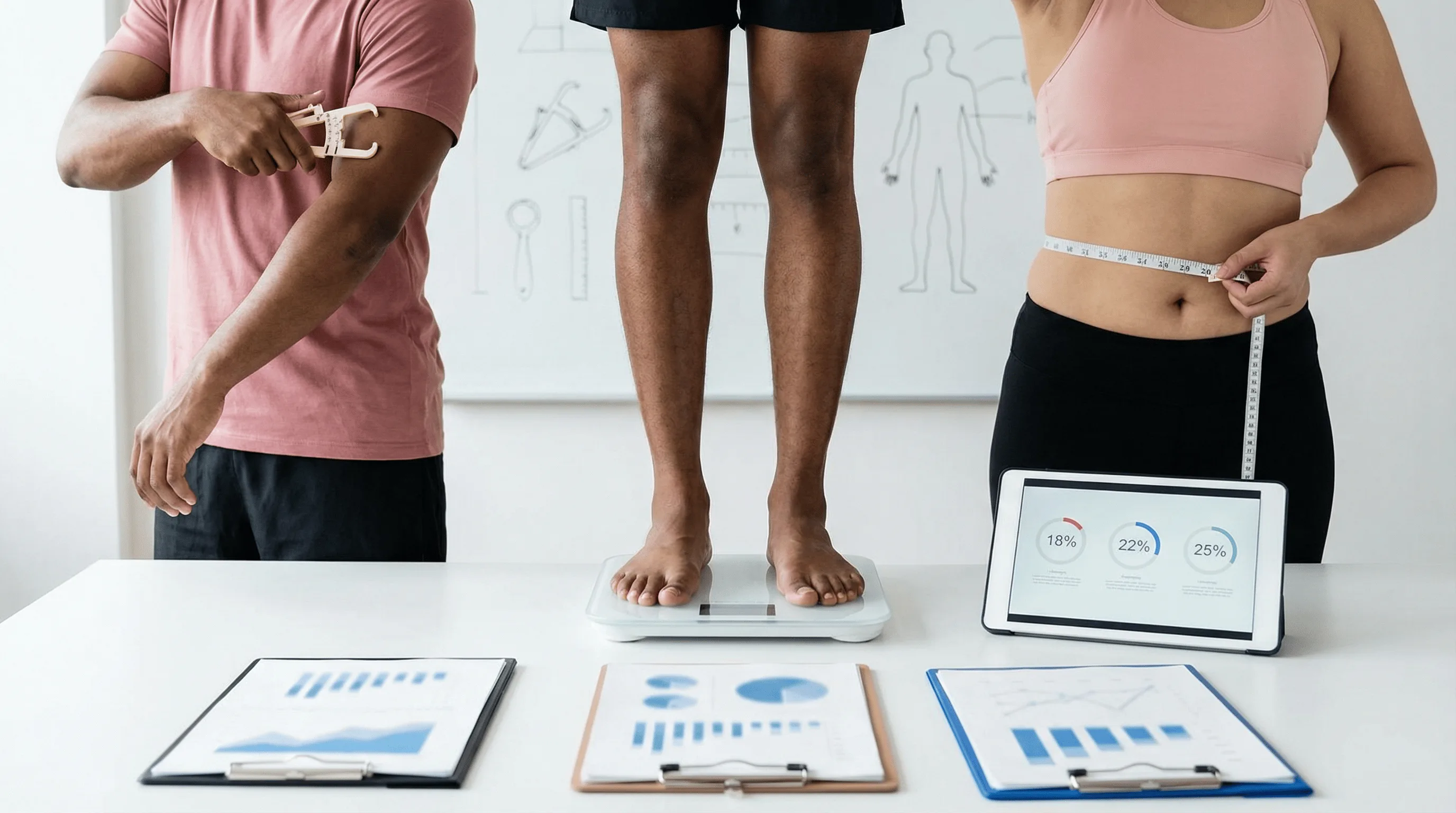
DEXA, smart scales, calculators, and visual estimates often disagree. Learn why body fat measurement methods give different results and how to interpret them correctly.
How Often Should You Measure Body Fat?
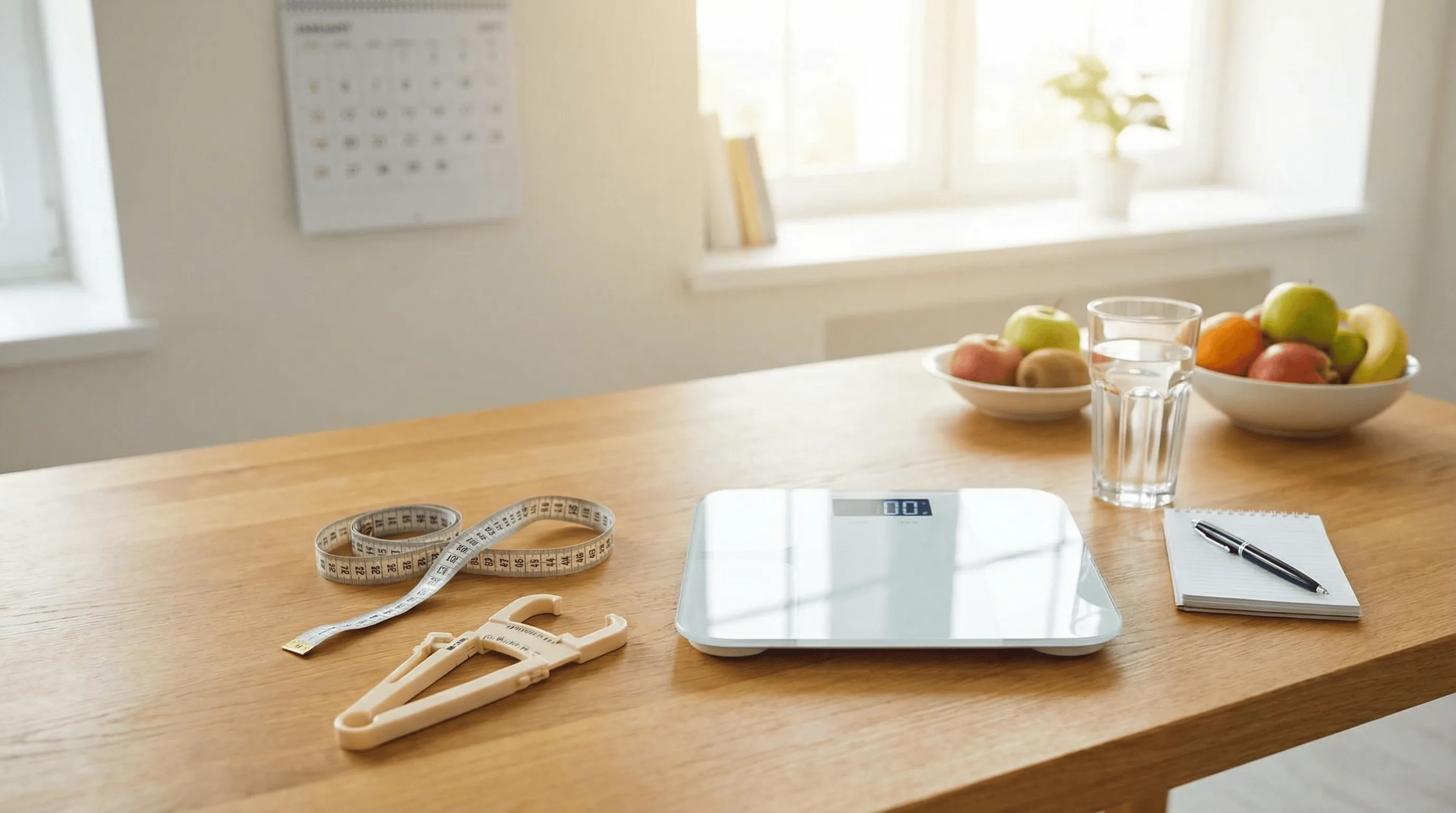
How often should you measure body fat? Learn how measurement frequency affects accuracy, why daily checks create noise, and how to track progress realistically.
Body Fat Calculator vs Body Fat Estimator — What’s the Difference?
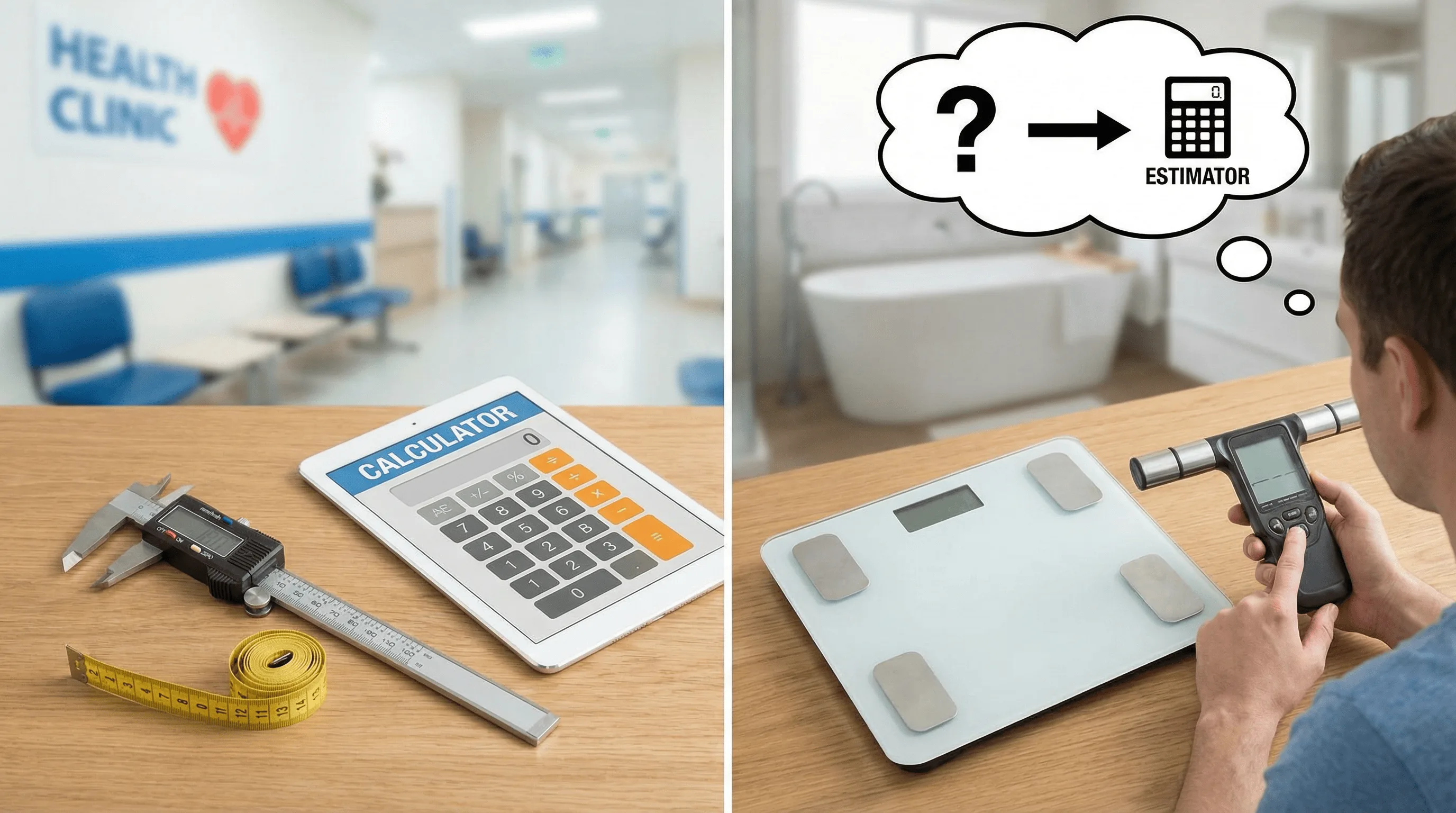
Learn the difference between body fat calculators and estimators, why they give different numbers, and which method is best for tracking progress at home.
The Best Body Fat Estimator of 2026
Learn the difference between body fat calculators and estimators, why they give different numbers, and which method is best for tracking progress at home.